
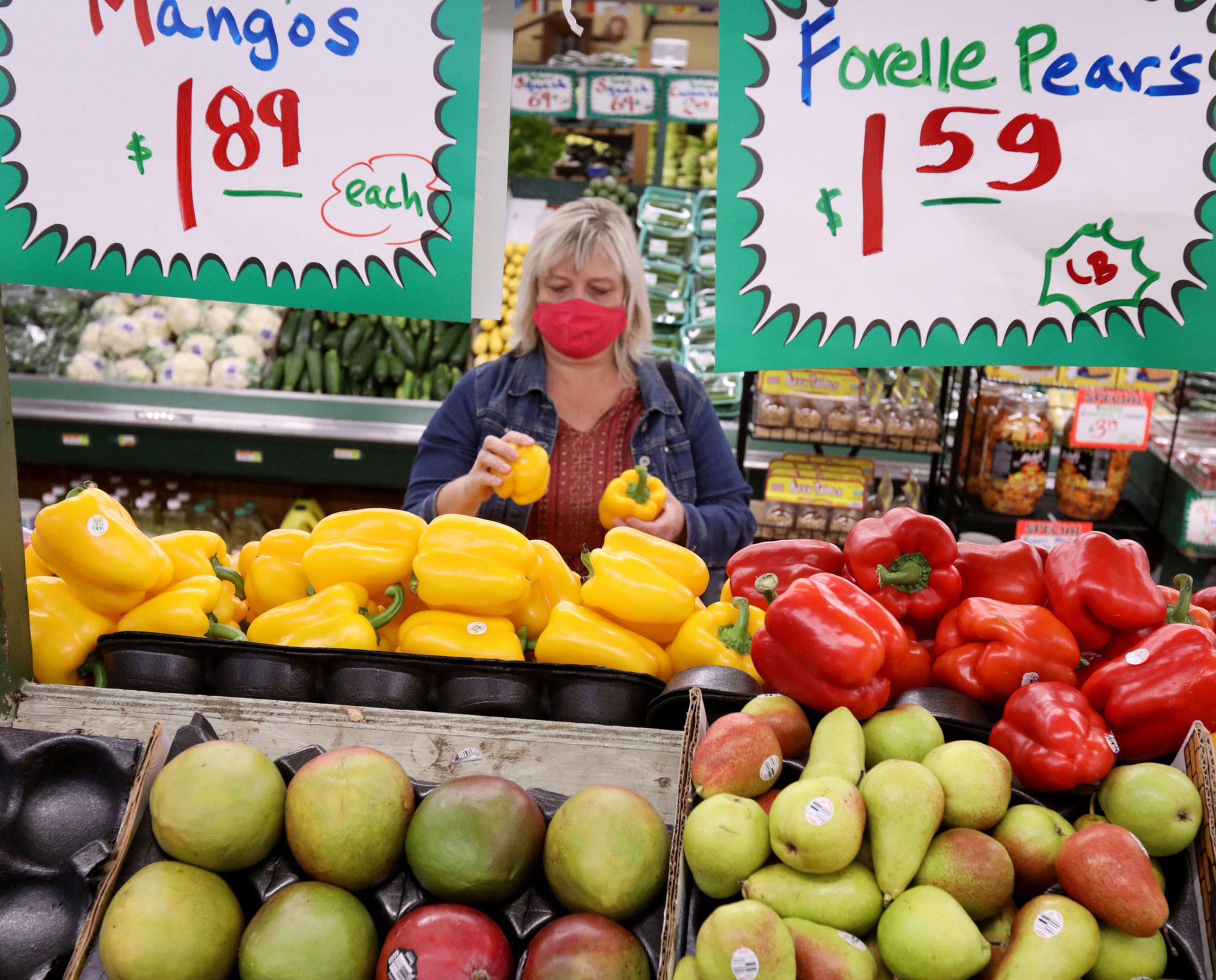
Food production per hectare globally has more than doubled over the last 60 years, while wheat yields in Western Europe have tripled in the same period(2). The availability and use of fertilizers have been key to this increase. FAO estimates that current food production would be halved without the use of fertilizers in agricultural production. Other reasons for the increase in food production, are more land being used for farming, new technology and farm machinery, better pest and disease management and new plant varieties. Increased food production in line with population growth has been the key factor for maintaining food prices at the same level for 60 years! Keeping prices low in the future, however, is a difficult challenge in a world where the population is growing and there is a lack of new farmable land.
Keeping food prices low is important to help combat poverty. Even though food prices have changed very little for over 60 years, the percentage of household income spent on food varies greatly from country to country. According to a survey by the US Department of Agriculture in 2015(3), consumers in the US spent 6.4 percent of their household income on food. The countries at the bottom of the list were Cameroon (45.6 percent), Kenya (46.7 percent) and Nigeria (56.4 percent). If food prices rise sharply, they will make life more difficult for millions of people already struggling to feed their families. A dramatic rise in food prices will also increase the risk of disorders due to malnutrition and hunger.
Check all our latet News and Recent updates at a single glance, Also learn the unknowing of the Agriculture Industry from our articles
Checkout what our customers says about our high quality product, and the benefits to their crops after the use
“Using Greenlife Products from last 4 years, I have got the best results for my farm and increased crop productivity by using Super 9 product.”
 Sumit
Sumit
“Greenlife products are best for my farms, I have got best results and I have increase good yield for my crops and products are very good in quality.”
 Rajbir
“ Have been using Miracle Feed, Sharthak Granules for more than 3 years which gives best results for my farm. I am very happy and satisfied with Greenlife Products. ”
 Veda Prakash
“ Greenlife’s Bio Products are best products in the market having best quality and at good price which gives better outputs for my farms. I have been using Greenlife Products since 2016. ”
 Vikas
Vikas
“ I have been using Sharthak Soil Conditioner for 2 and half years, It has been a complete product for my farm to increase yield and productivity. ”
 Venkatesh
“ Greenlife’s Sharthak NOP is a complete product in substitute for DAP Fertilizer. I have been using from last 3 years in substitute of DAP. It gives more and better results than Chemical Fertilizer. It increases yield and saves more money. ”
 Shanmukhappa
Copyrights by GreenLife Save & Protect Pvt LTD. All Rights Reserved 


